
blog
Ropes and Knots
Discover the importance of ropes and knots in wilderness survival and learn how to prepare and use them effectively. Essential skills for emergency situations.

listen to this
Ropes and Knots
ready01 — Context
Introduction
Ropes and knots are fundamental skills in wilderness survival. When you're lost or in a survival situation, knowing how to prepare and use ropes and knots can increase your chances of survival.
In this article, we'll introduce you to the basic skills of rope preparation, creating ropes from natural materials, and essential survival knots.
“Ropes and knots are essential survival skills”
02 — Content
Ropes and Knots: Essential Survival Skills
Preparing and Adapting Ropes (Cordage)
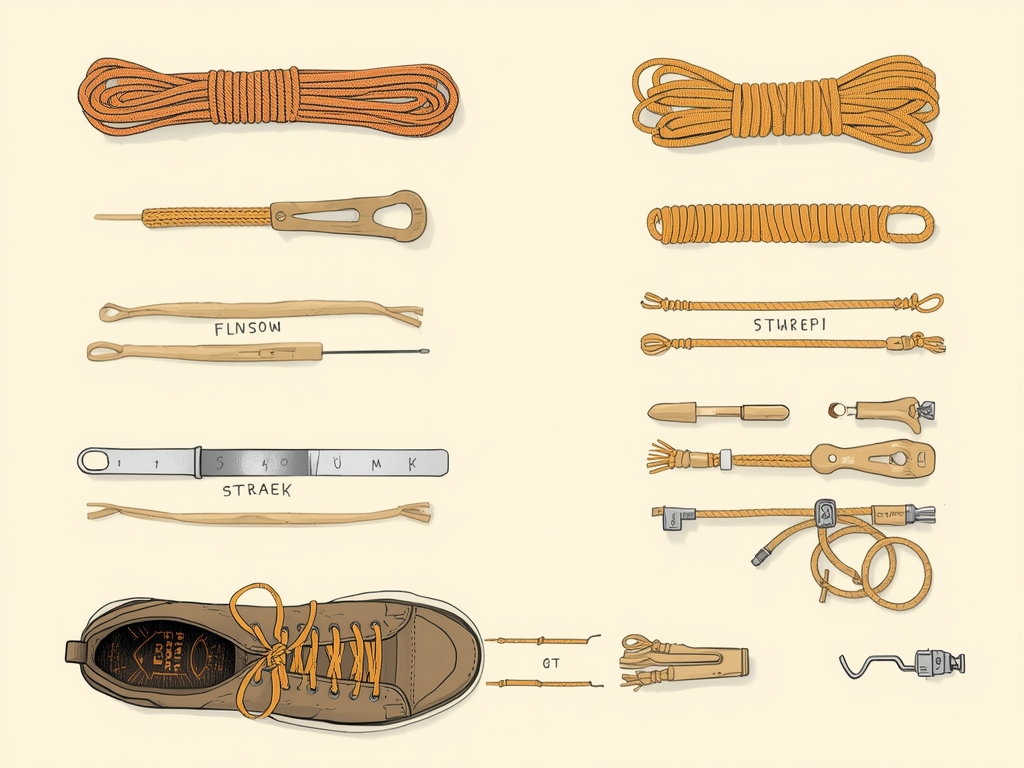
Smart tip for preparing paracord: Make it a habit to carry ropes or paracord with you in case of emergencies. A very practical tip is to replace your shoe laces with paracord. They are surprisingly durable and when needed, you can strip the outer layer to get the thinner inner strands for more delicate tasks.
Creating Ropes from Natural Materials
When you don't have access to synthetic ropes, you can create ropes from natural materials. Willow bark is a common choice. Peel off the thin layers (easiest in spring and summer), boil them for 40 minutes or more, and then pound them to make them pliable. The inner bark has natural flexibility, so you can cut it into thin strips for immediate use or braid it for added strength.
Nettle stems can also be used to create durable ropes. You can strip the nettle stems and braid them with the willow bark strips to create a strong rope.

4 Essential Survival Knots and Their Practical Applications
To survive, you don't need to know many complex knots, just master these 4 basic ones:
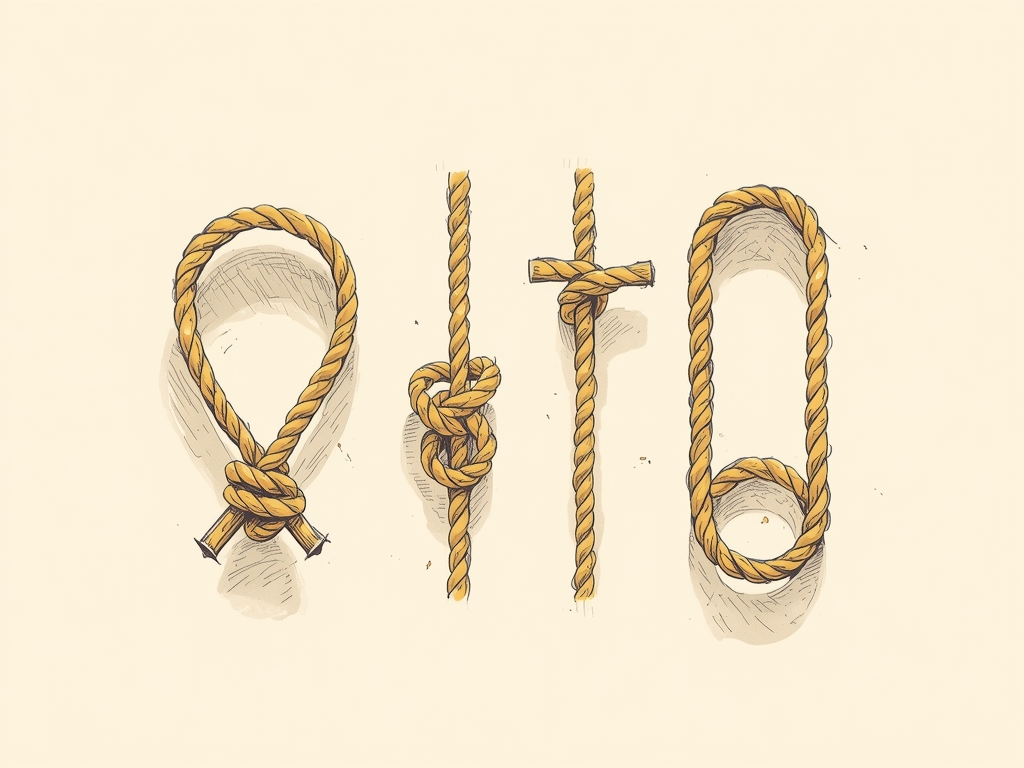
- Bowline Knot: A loop knot that never slips or tightens when pulled under heavy load. Application: Very safe for lifting or lowering injured people from dangerous areas.
- Slip Knot: Unlike the bowline, this knot will tighten when pulled. Application: Extremely useful for securing bundles of items or creating a trap.
- Reef Knot (Square Knot): Used to join two ropes of similar thickness. However, it can be slippery on nylon ropes. Application: Ideal for bandaging wounds or securing medical dressings.
- Double Sheet Bend: Allows joining two ropes of different sizes or when the rope is wet and slippery. Application: The thinner rope wraps around the thicker rope's loop several times, creating high friction for a secure connection in adverse conditions.
'Real People, Real Stories': Aron Ralston and the Survival Rope
In the world of outdoor adventures, the miraculous survival story of mountaineer Aron Ralston in the Utah desert (depicted in the film 127 Hours) is the most vivid proof of the value of survival tools.
Ralston was hiking alone when a massive boulder fell and pinned his right arm in a narrow canyon. After days of depleted food and water and failed attempts to chisel the rock with a multi-tool, he made the drastic decision to use a dull knife to amputate his arm and break his bones to escape.
After freeing himself, he used a tourniquet to reduce blood loss, and the rope he carried in his backpack helped him climb and rappel out of the deep canyon with only one good arm before meeting his rescuers.
03 — Summary
Conclusion
Ropes and knots are crucial skills for survival. Knowing how to prepare and use them can increase your chances of survival in emergency situations.
Remember, ropes and knots are not just basic skills but also essential tools to help you overcome difficult situations. Learn how to use them and always carry the necessary tools to ensure your safety.


